
Our commitment to responsible practices in disaster recovery and business continuity extends beyond technology to encompass environmental sustainability, ethical operations, and community support.
ResilientGuard believes that protecting critical infrastructure requires both technological excellence and corporate integrity.
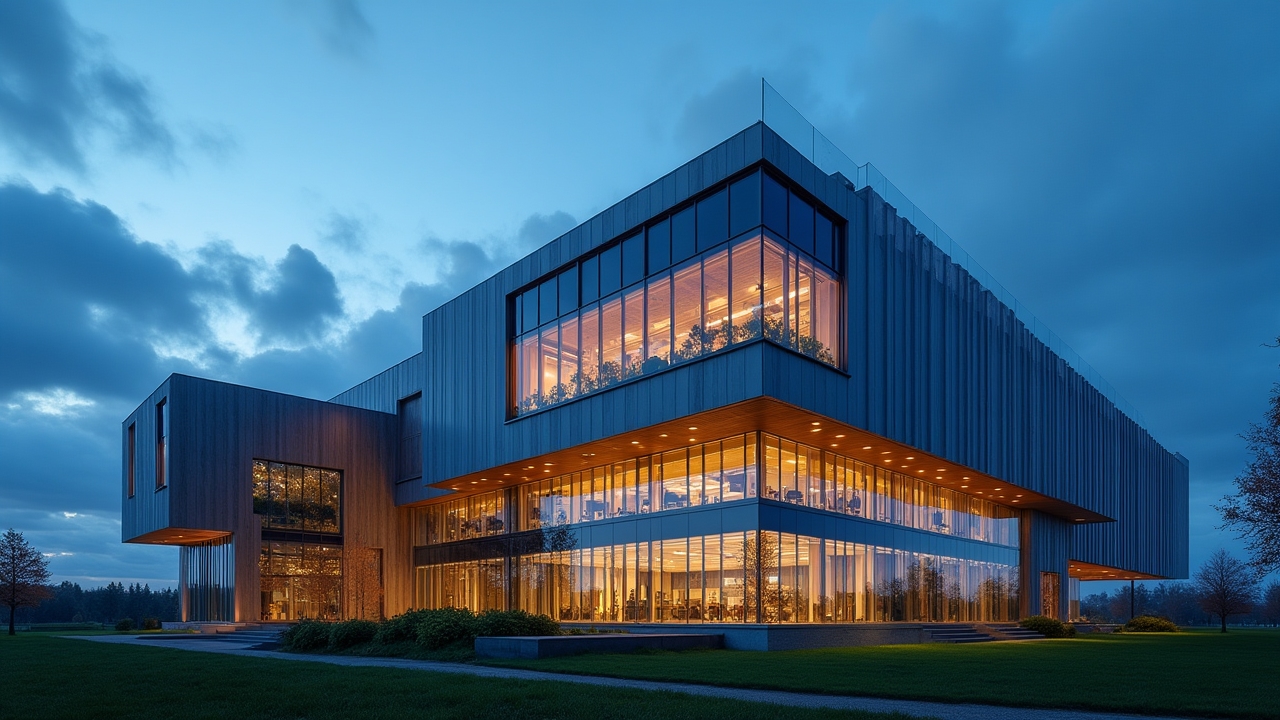
Our disaster recovery facilities are designed with minimal environmental impact, utilizing renewable energy sources and energy-efficient technologies to reduce our carbon footprint while maintaining maximum resilience.
We recognize our role in safeguarding essential services that communities depend on. Our commitment extends to protecting healthcare systems, financial networks, and utility services through reliable disaster recovery solutions.
We believe in spreading knowledge about disaster recovery preparedness through education programs, workshops, and resources that help organizations develop internal resilience capabilities.
Traditional disaster recovery solutions often duplicate infrastructure and energy consumption without consideration for environmental impact. At ResilientGuard, we've pioneered energy-efficient approaches that maintain resilience while reducing resource consumption.
Our data centers implement advanced power management systems that optimize energy usage based on workload patterns. We've achieved a 43% reduction in energy consumption compared to industry standards through innovative cooling systems and server configurations.
Green energy usage across all facilities
Reduction in energy consumption vs. industry average
Reduction in water usage through closed-loop cooling
Our commitment extends to hardware lifecycle management, with comprehensive recycling programs and preference for vendors with sustainable manufacturing practices. This holistic approach ensures we protect both our clients' data and our shared environment.
Disaster recovery services require exceptional trust and integrity. ResilientGuard operates according to strict ethical principles that guide every aspect of our business.
We recognize that data is subject to local laws and regulations. Our geographically distributed infrastructure allows clients to maintain complete control over data location, ensuring compliance with regional data protection requirements.
All client data remains within specified jurisdictions, with transparent documentation of data flows and processing activities. This approach supports compliance with GDPR, HIPAA, and other regulatory frameworks while maintaining business continuity capabilities.
We believe in security through transparency rather than obscurity. Our security frameworks and practices are documented and available to clients, allowing for independent verification and audit of protection mechanisms.
Regular third-party security assessments validate our controls, while our responsible disclosure program encourages security researchers to identify and report potential vulnerabilities in our systems.
Critical infrastructure protection should be accessible to organizations of all sizes. Our pricing models are transparent and based on actual resource consumption rather than inflated "insurance" models that exploit fear of disasters.
We provide clear, predictable pricing that scales with client needs, avoiding hidden costs or punitive fees during actual disaster recovery operations when clients are most vulnerable.
Our facilities operate in communities across the Baltic region, and we recognize our responsibility to contribute positively to these locations through employment opportunities and local partnerships.
We maintain active involvement in regional technology education programs, support local emergency response capabilities, and prioritize local suppliers where possible to strengthen economic resilience in our host communities.

ResilientGuard actively participates in developing and promoting industry standards for disaster recovery and business continuity. We believe responsible leadership means advancing the entire field rather than just our own interests.
Our technical experts participate in ISO technical committees developing business continuity standards, including updates to ISO 22301 and emerging frameworks for cloud-based disaster recovery.
ResilientGuard serves on European Union working groups developing frameworks for critical infrastructure protection and cyber resilience requirements for essential services providers.
We collaborate with technical universities in Latvia, Estonia, and Lithuania to advance disaster recovery technologies and methodologies through funded research initiatives.
Through our published whitepapers, technical blog, and speaking engagements, we share emerging best practices and lessons learned to elevate disaster recovery capabilities industry-wide.
Discover how ResilientGuard's commitment to responsible business practices enhances our disaster recovery solutions and provides additional value beyond technical capabilities.